India's Chip Gambit: Micron's Gujarat Plant Is a Hardware Power Play
Verified: 3/1/2026
The Hardware Shift: Why This Plant Matters
For decades, India's tech identity was built on software—outsourcing, IT services, and digital innovation. But as Prime Minister Narendra Modi cut the ribbon on Micron's Semiconductor Assembly, Test, and Packaging (ATMP) facility in Gujarat's Sanand, that narrative got a hardware upgrade. This isn't just another factory opening; it's a deliberate move to plug India into the global semiconductor value chain. Modi's words hit the core: "A country known for software is now strengthening its identity in hardware." In an era where AI and advanced computing depend on physical chips, India's entry here signals a readiness to compete beyond code.
Beyond Software: The Geopolitical Calculus
Look past the ceremony, and you'll see a geopolitical chess move. The U.S. ambassador's presence underscores a deepening India-U.S. tech alliance, aimed at diversifying supply chains away from geopolitical hotspots. As Modi noted, "The message has reached the world loud and clear: India is capable, India is competitive and India is committed." This facility, backed by an American giant like Micron, positions India as a reliable node in a fragile global network. It's a bet on stability in a region where manufacturing has often been concentrated in East Asia, and it comes as tensions elsewhere—like the Middle East conflicts mentioned in sources—highlight the risks of over-reliance.
"If oil shaped the last century, microchips will shape this century." — Prime Minister Narendra Modi, framing semiconductors as the new geopolitical currency.
Inside the Tech: What an ATMP Plant Actually Does
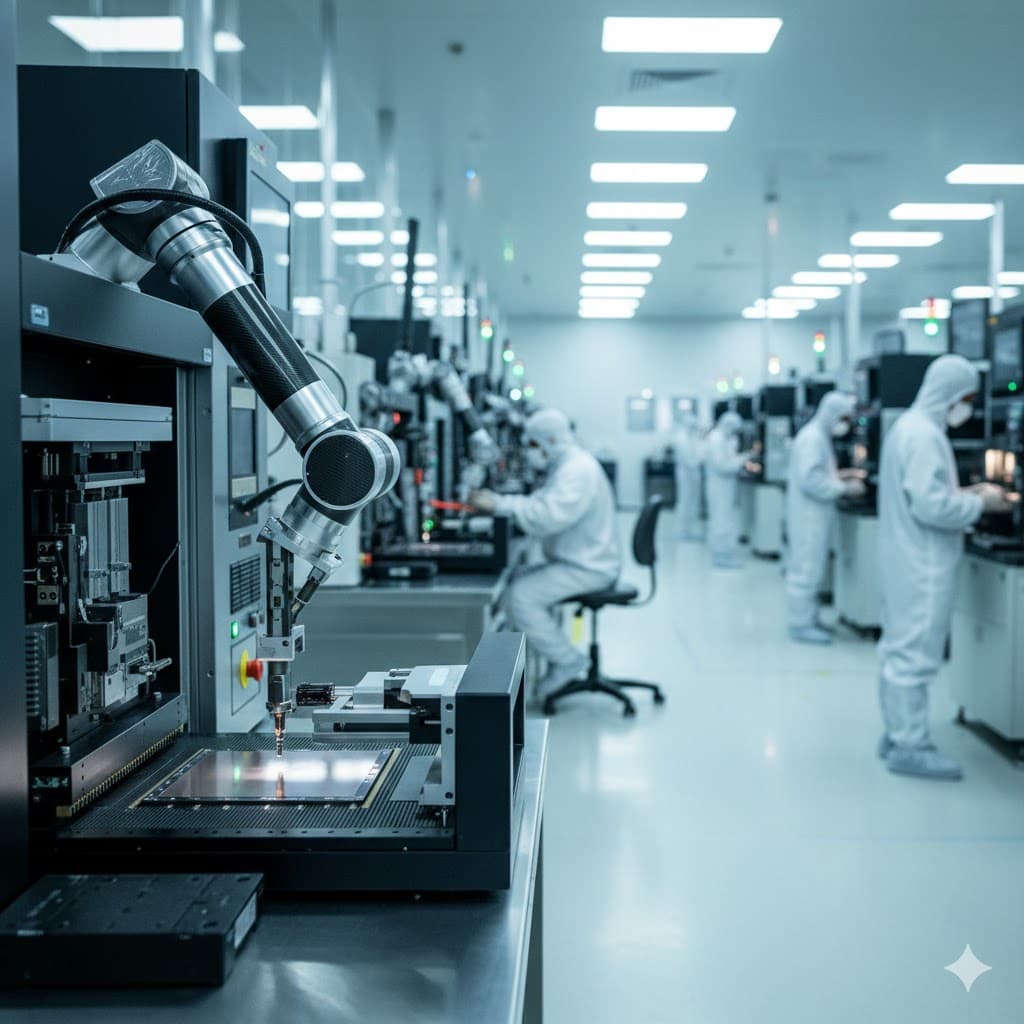
Semiconductor manufacturing isn't a single step; it's a complex dance from design to final product. Micron's Sanand facility focuses on the back-end: Assembly, Testing, Marking, and Packaging (ATMP). This is where raw silicon wafers—often fabricated elsewhere—get turned into the chips that power everything from smartphones to AI servers. The process involves:
- Assembly: Slicing wafers into individual dies and mounting them onto substrates.
- Testing: Rigorous electrical checks to ensure functionality and performance.
- Marking: Laser-etching identifiers for traceability.
- Packaging: Encasing the die in protective materials for shipment and use.
While it might sound less glamorous than front-end fabrication, ATMP is critical for yield, cost, and reliability. For India, starting here is smart—it requires less capital intensity than a full fab but still delivers high-value output and jobs. As Modi put it, "The commencement of commercial production at Micron's ATMP facility will strengthen India's role in the global technology value chain." This isn't just about making chips; it's about mastering a key link in the supply chain.
The AI Connection: Chips as the New Oil
Modi's analogy hits hard: "If oil shaped the last century, microchips will shape this century." In the AI revolution, semiconductors are the physical bedrock. Every large language model, every autonomous system, every smart device runs on these tiny silicon engines. By investing in ATMP, India isn't just chasing manufacturing glory; it's securing a seat at the table for the AI-driven future. The timing is no accident—coming right after India's AI Summit, it shows a coordinated push to build both the software brains and the hardware brawn needed for tech leadership.
The Road Ahead: Challenges and Opportunities
This inauguration is a milestone, but the real work starts now. India faces stiff competition from established players like Taiwan, South Korea, and the U.S. in semiconductor manufacturing. Key hurdles include:
- Skill development: Training a workforce for precision engineering.
- Infrastructure: Ensuring reliable power, water, and logistics.
- Policy stability: Maintaining incentives and regulatory support.
Yet, the opportunities are massive. With global demand for chips soaring—driven by AI, IoT, and electric vehicles—India's large market and growing tech ecosystem offer a unique advantage. As Sanjay Mehrotra, Micron's CEO, likely emphasized, this plant could catalyze a broader semiconductor cluster in Gujarat, attracting more investment and innovation. Modi's vision of "the rise of a new future in Sanand" isn't hyperbole; it's a blueprint for transforming India from a tech consumer to a tech creator.
In the end, Micron's Gujarat plant is more than a facility; it's a statement. India is done being just the world's back office. By stepping into semiconductor manufacturing, it's claiming a piece of the hardware future—and in doing so, redefining what it means to be a tech powerhouse in the 21st century.