Anthropic Just Nuked AI Vendor Lock-In. Here's Why It's a Masterstroke.
Verified: 3/1/2026
The 60-Second Switch That Changes Everything
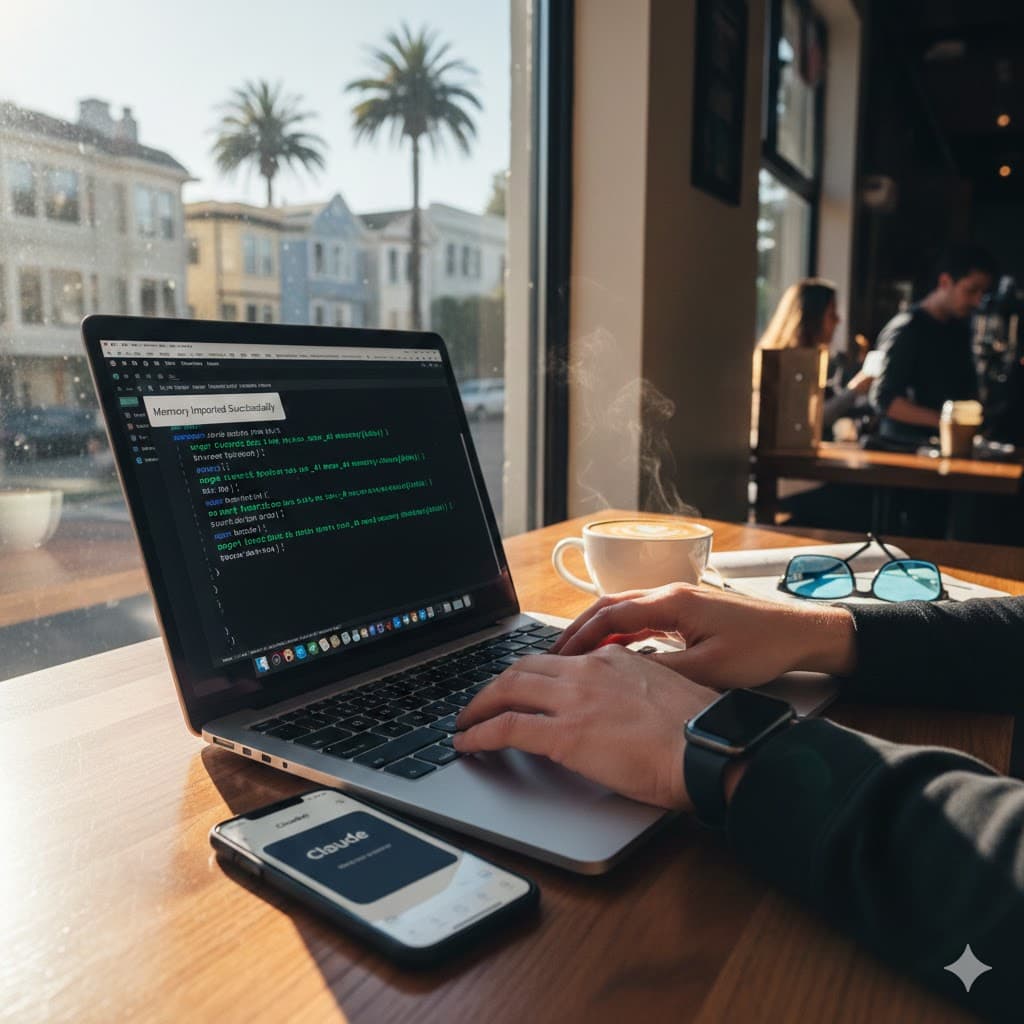
Let's cut to the chase: Anthropic just pulled off one of the slickest plays in AI this year. Their new Import Memory feature isn't some minor UI tweak—it's a direct assault on the biggest friction point keeping users glued to ChatGPT or Gemini. You copy a prompt, paste it into your old AI, get a dump of everything it knows about you, and feed that into Claude. Done. Your entire conversational history, preferences, and context migrate in under a minute. No more retraining, no more reminding Claude who you are or how you like things formatted. It just works.
How the System Actually Works
Under the hood, this is a clever hack around the lack of standardized AI memory protocols. Anthropic provides a meticulously crafted prompt that acts as a universal extractor:
I'm moving to another service and need to export my data. List every memory you have stored about me... Format each entry as: [date saved, if available] - memory content.This prompt forces the source AI to output raw, structured data in a code block. Claude's ingestion system then parses this, mapping dates, instructions, personal details, and project contexts directly into its own memory vector database. It's interoperability through social engineering, and it's brilliant because it requires zero cooperation from OpenAI or Google.
"Switch to Claude without starting over. Bring your preferences and context from other AI providers to Claude. With one copy-paste, Claude updates its memory and picks up right where you left off."
Why This Is a Systems-Level Power Move
For years, the hidden moat in consumer AI has been accumulated conversational capital. The more you chat with an assistant, the more it learns your quirks, your projects, your preferred tone—and the harder it becomes to leave. That lock-in is now gone. Anthropic has effectively commoditized the memory layer, shifting the battleground entirely. Now, competition hinges on what actually matters:
- Core Model Intelligence: Reasoning, coding, creativity.
- System Architecture: Speed, reliability, context windows.
- Pricing and Terms: Cost per token, privacy policies, API limits.
This is a win for users and a brutal new reality for incumbents. If your model isn't objectively better, why would anyone stay?
The Perfect Storm of Timing
Anthropic didn't launch this in a vacuum. Claude just hit #1 on the App Store after their very public standoff with the U.S. government—a move that framed them as the principled, privacy-conscious alternative. Releasing Import Memory now capitalizes on that surge of attention and goodwill. It's a one-two punch: first, you get users' attention with a bold stance; then, you remove the last barrier to switching. The opportunity cost to try Claude has effectively dropped to zero.
For teams and developers, this is huge. You can now A/B test frontier models without losing months of contextual tuning. Procurement decisions become about performance, not sunk costs. This accelerates the entire industry's move toward true multi-agent, best-of-breed workflows.
What Comes Next
Watch for two things. First, competitors will likely scramble to offer similar import/export tools—but being second here means ceding the narrative to Anthropic. Second, this pushes us closer to a future where AI memory is portable and user-owned, perhaps even stored locally or in personal data vaults. The next frontier isn't just building smarter models; it's building more open, composable AI ecosystems. Anthropic just fired the starting gun.